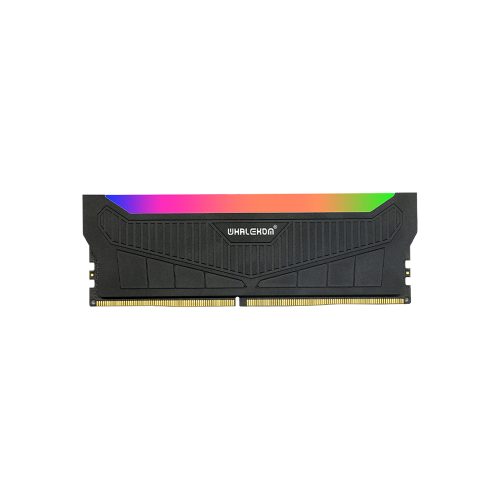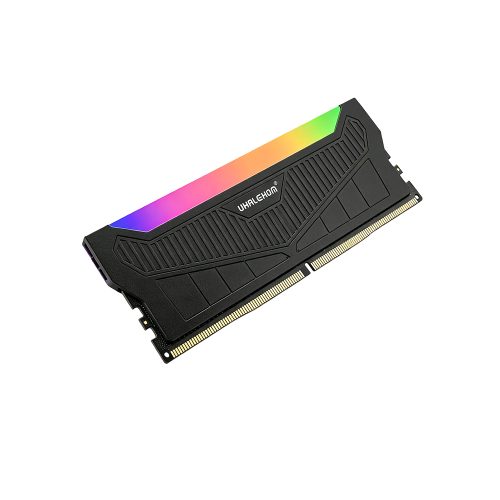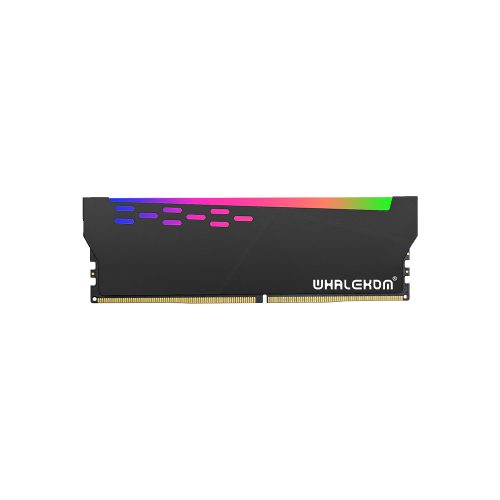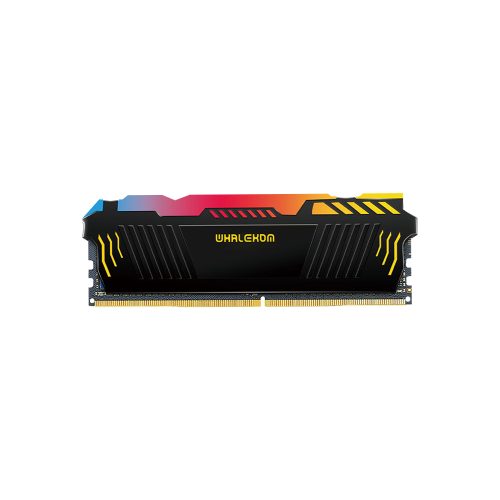
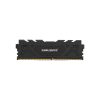
DDR4 Heatsink 8GB — The Completion Module for Existing DDR4 Systems
An 8GB DDR4 heatsink module is rarely the headline component of a build. In 2026 it plays a very different role: it is the completion module — the stick you buy to finish a job that a working machine has already started. That job is usually one of three things: restoring an orphaned DIMM slot to dual-channel operation, replacing a failed module in a fleet of identical office PCs, or rescuing a machine that stutters because Windows has been paging to storage all day.
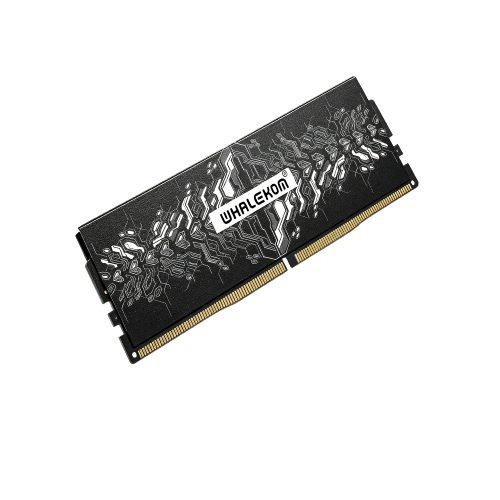
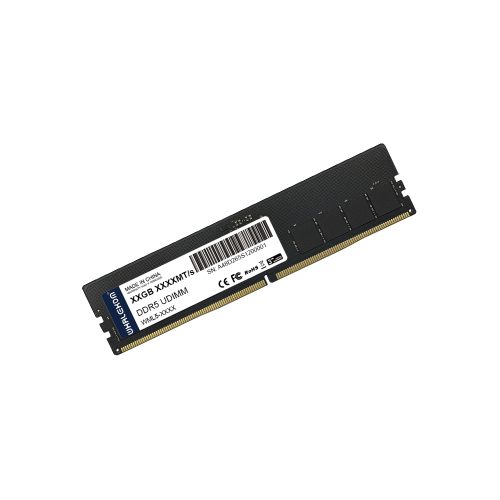
WHALEKOM builds this module for exactly those situations. It is a standard-height-friendly, low-profile DDR4 heatsink module running 2666-4000MT/s under Intel XMP 2.0, designed slotting into boards that have been in service for years and will likely stay in service for several more.
Who This Module Is Actually For
Read this before buying, because 8GB is the one capacity tier where the wrong purchase is easy to make.
The honest constraint: an 8GB module solves today’s capacity problem and, in doing so, consumes one of your DIMM slots permanently. On a two-slot board that decision is close to irreversible. On a four-slot board it costs you flexibility. If you expect the machine to grow, go up a tier.
Core Features of the DDR4 Heatsink 8GB
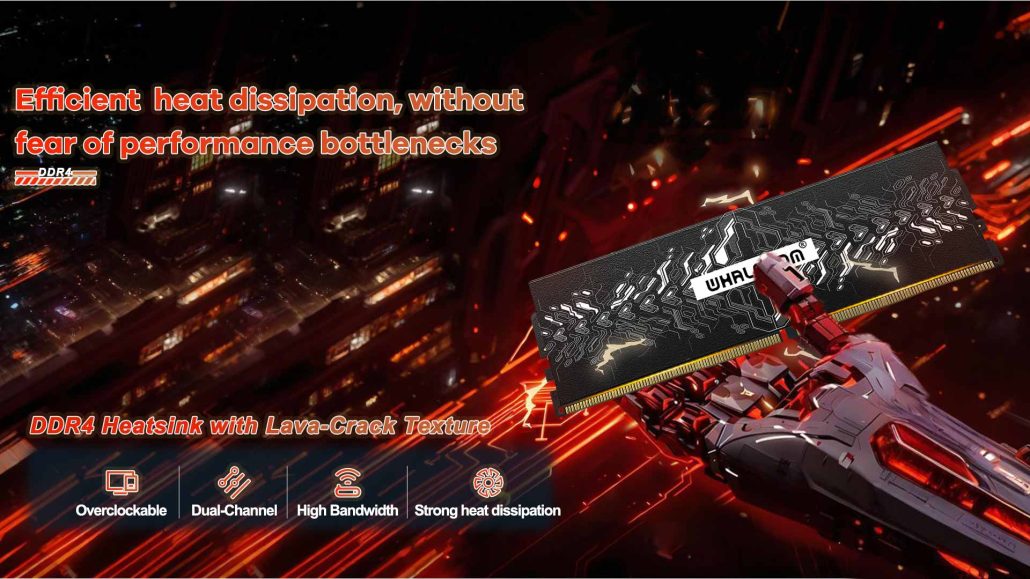
Low-Profile Aluminum Heatsink for Tight Clearance
Most aftermarket DDR4 heat-spreaders are styled for visibility first. Tall fins and thick top bars look good in a photo, then collide with the second fan of a 120mm tower cooler or refuse to seat under the shroud of a small-form-factor chassis.
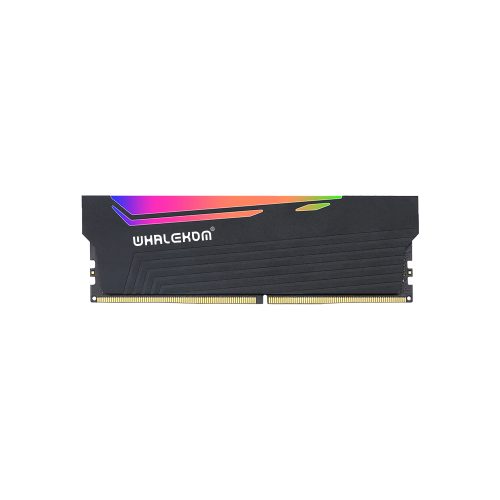
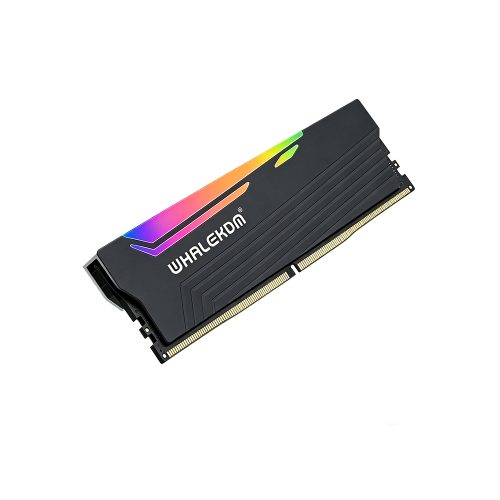
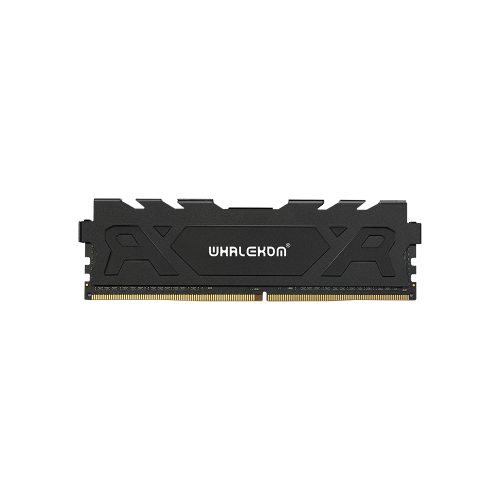
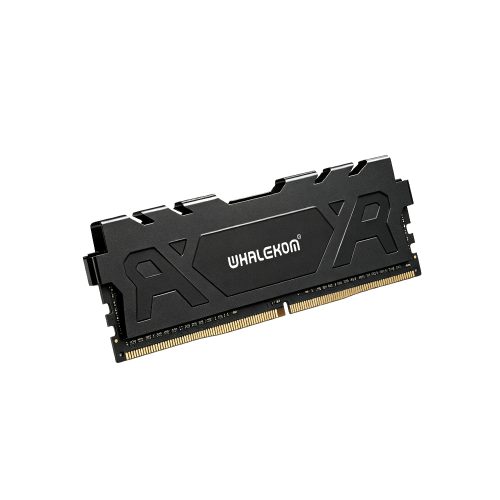
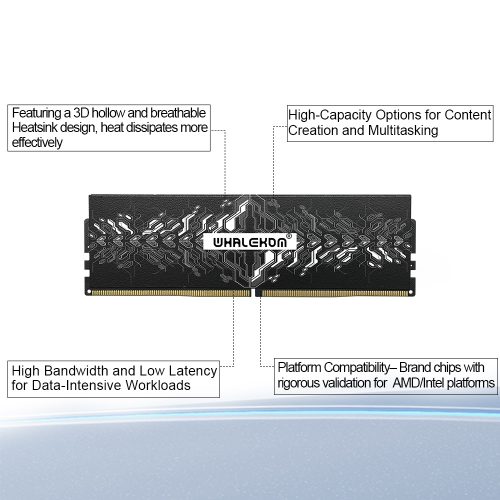
This module takes the opposite approach. The CNC aluminium alloy vest keeps overall module height close to the standard DDR4 U-DIMM profile while still pulling heat off the DRAM packages through direct contact with the PCB surface. You keep the thermal benefit where it counts — sustained writes, long compile jobs, overnight renders — without turning every installation into a clearance measurement exercise.
That said, heatsinks are insurance, not a requirement. At JEDEC 1.2V, DDR4 modules dissipate modest heat, and a bare module in a case with reasonable airflow will run fine. The heatsink earns its place in three situations: poor-case-airflow builds where DIMMs sit in a dead zone, XMP operation at 1.35V where thermals rise with frequency, and compact chassis where you cannot add airflow.
Built to JEDEC DDR4
Compliant with the official JEDEC DDR4 standard (JESD79-4) on a 288-pin U-DIMM substrate at 1.2V nominal (up to 1.35V under XMP). DDR4’s selectable bank group architecture allows separate activate, read, write and refresh operations to proceed in parallel across groups, which is part of why dense DDR4 scales better under mixed workloads than its prefetch and clock figures alone suggest.
Every module passes full functional testing and burn-in before packing.
Full Specifications
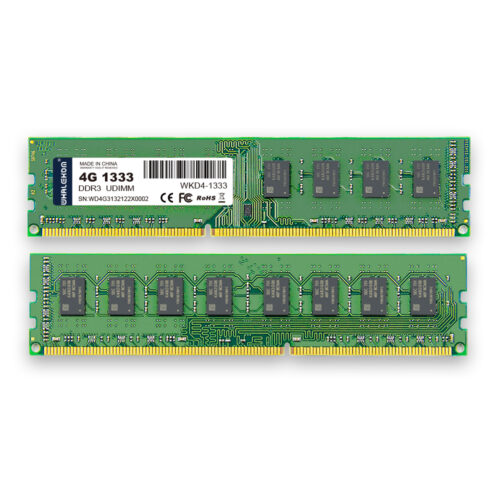
| Model Name | DDR4 Heatsink 8GB | Interface | 288-pin U-DIMM (Non-ECC, Unbuffered) |
| Speed | 2666~4000 MT/s | Capacity | 8GB / 16GB / 32GB |
| Input Voltage | 1.2V (XMP 1.35V) | Application | Workstation, Content Creation,Gaming |
| Heatsink Material | Aluminum Alloy | Warranty | 3 Years |
| Dimensions | L133.8mm * W42mm * H8mm | XMP Support | XMP 2.0 |
| Storage Temp. | -20℃ ~ +100℃ | Operating Temp. | 0℃ ~ +85℃ |
Ideal Applications
This module fits best where a working machine needs to be finished rather than rebuilt:
- Office and fleet desktops — where one failed module needs a matching replacement, or where a 4GB machine needs to reach 8GB
- Home and education PCs — doing productivity work, browsing and video conferencing workloads where 8GB of DDR4 is genuinely sufficient
- Software development — multiple IDEs, containers, local databases and a browser with realistic tabs
- Home-lab and virtualisation hosts — several lightweight VMs on a consumer platform without constant swapping
- Office workstations and creative SMB desktops where the machine must stay responsive for hours without accumulating open applications
Looking for something with more headroom for modern gaming? See the DDR4 Heatsink 16GB. Need maximum density per slot? Move to DDR4 Heatsink 32GB. Prefer lighting effects over low profile? Compare the DDR4 RGB Gaming RAM 8GB XMP.
FAQ
Can I mix this 8GB module with a different brand already installed?
Usually yes. Modern DDR4 platforms will boot mixed modules by falling back to the slowest common speed and loosest stable timings. The result is functional but leaves performance on the table, and mixed kits fail marginally more often under sustained load. For a machine you depend on, matching modules is worth the small premium.
Will this module work if my board only has two slots?
Yes, but consider carefully — installing it uses half your total expansion capacity permanently. If you are reaching for 16GB total on a two-slot board, a single 16GB module may serve you better than two 8GB sticks, because it leaves the second slot free for a future 16GB.
What is the difference between this and the DDR4 RGB Gaming RAM 8GB?
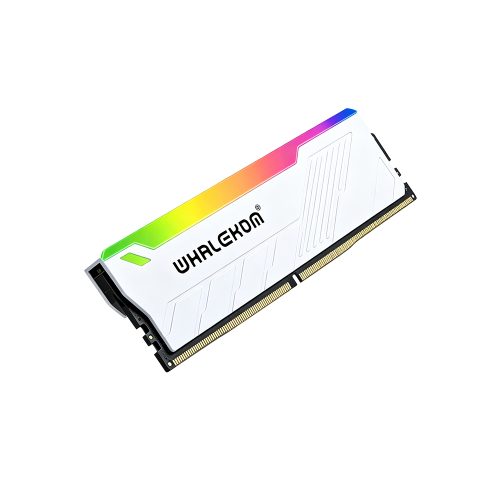
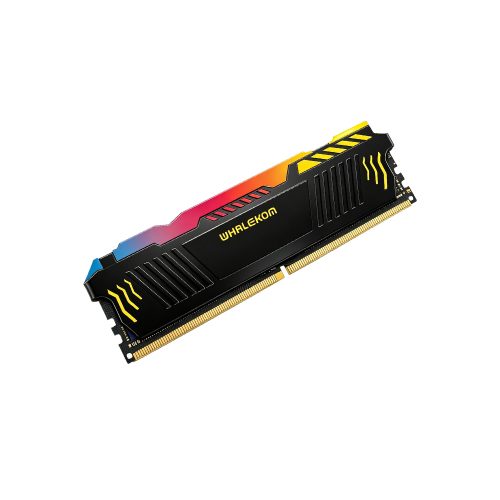
Same capacity class and similar speed envelope; different priorities. The RGB version adds addressable lighting and a taller heat-spreaders for visible builds. This low-profile heatsink version minimises height for cooler clearance and avoids lighting entirely — better suited to enterprise fleets, silent builds, HTPCs and any case where RAM should be felt rather than seen.
-1-500x500.jpg)